The "Perfect" Lasagna from Lessons in Chemistry

In the summer of 2024, while considering ideas for the scope and content of this blog, I watched the Apple TV+ series Lessons in Chemistry with a close friend. The eight episode miniseries is based on a novel of the same name by Bonnie Garmus. It tells the story of Elizabeth Zott, a chemist who loses her job at a lab in 1950s California and gets a job hosting a cooking show, which she uses to educate housewives on science and empower them. I greatly enjoyed the show and her character arc as she battles sexism at work and in her personal life.
Ten of the dishes featured on the show were made into actual recipes. These are lasagna (the focus of today’s post), pie crust, a vegetable galette, roast chicken, peanut butter brownies, a blackberry pie, chicken pot pie, bananas foster and “Oysters Zott” (Rockefeller). Lessons in Chemistry caught my eye because of my interest in this tale about a feminist cooking show, and I wanted to make the recipes while knowing their place in the story.
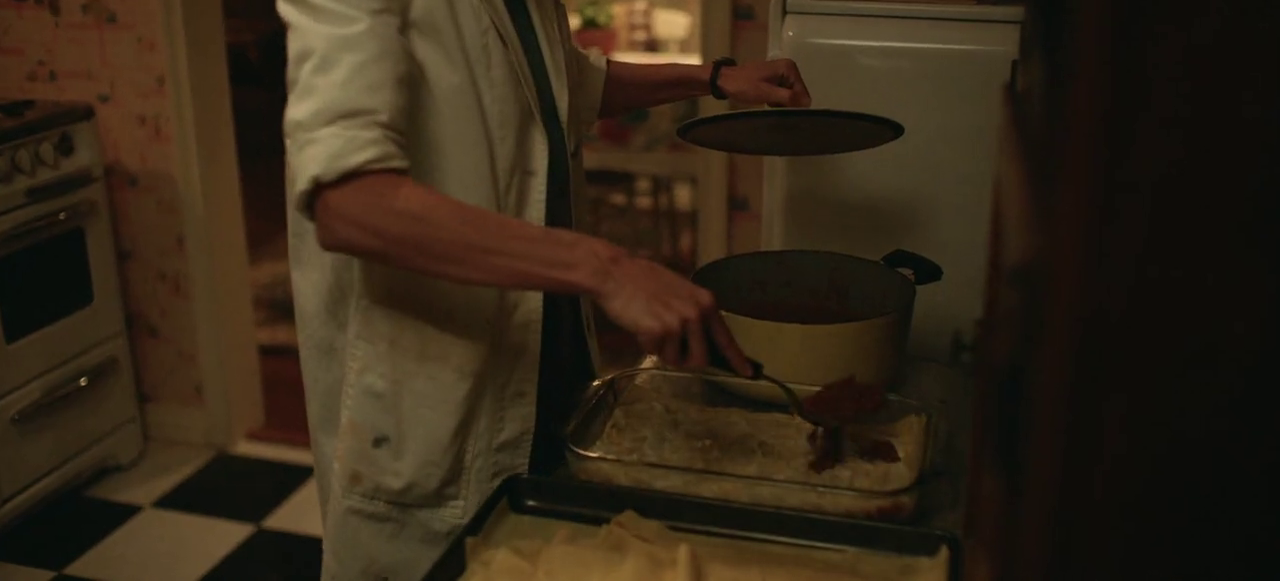
The lasagna was the recipe I looked forward to the most, because pasta is my favorite thing to cook and eat. When someone takes the time to make an entire lasagna completely from scratch, I think it makes the recipient feel special. I enjoy making my food for others and seeing their eyes light up as they take their first bite.
The lasagna in Chemistry serves as a turning point for the show. It begins the central relationship between Elizabeth and her lab partner, Calvin Evans, and it’s the first recipe she is shown making on Supper at Six. The end result of the latter offers an important life lesson that proved timely when I finally made the lasagna myself.
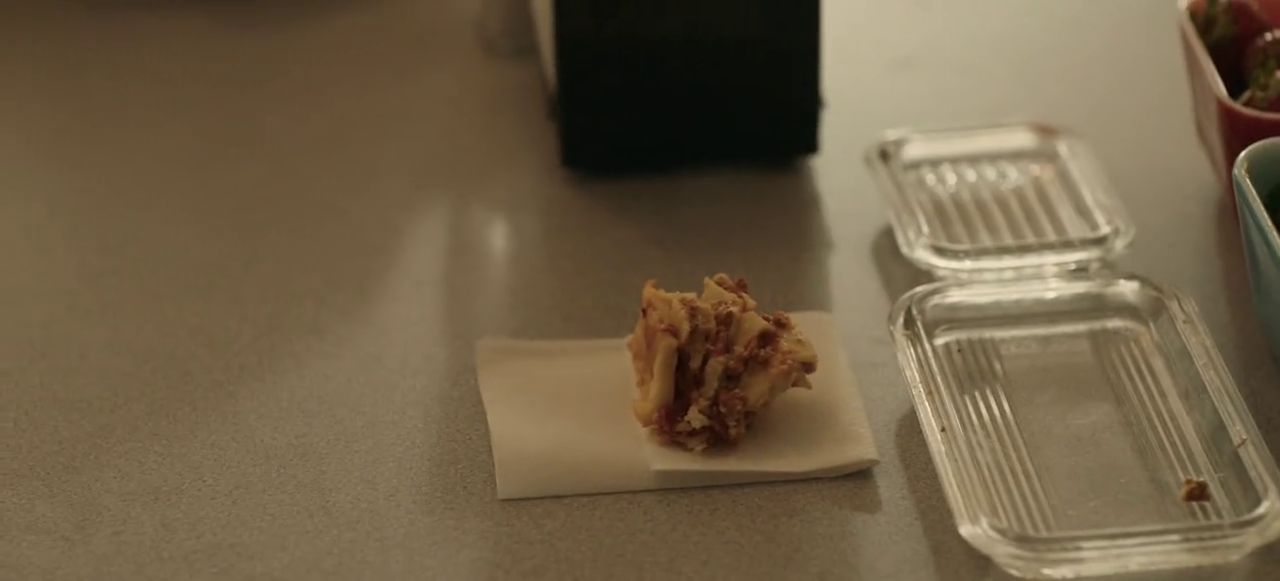
Elizabeth, making the dish one evening for her dinner, brings the leftovers to work the next day for her lunch and offers some to Calvin. He declares it to be perfect, and she counters that “It’s not perfect, but it has the potential to be.” It was her 78th attempt, and Elizabeth explains that she is trying to find a chemical solution to ensure that the cheese melts smoothly, experimenting with sodium citrate to that end.
Today we will be making a fan-favorite, lasagna, but we will be testing a new variable.
Caring for loved ones takes work. Real work. Anyone who tells you differently does not cook dinner for a family of five every night.
So let's make something hearty. Let's make something delicious. Let's make something that keeps our family alive and gives us leftovers for a week.
Let's get started, shall we?
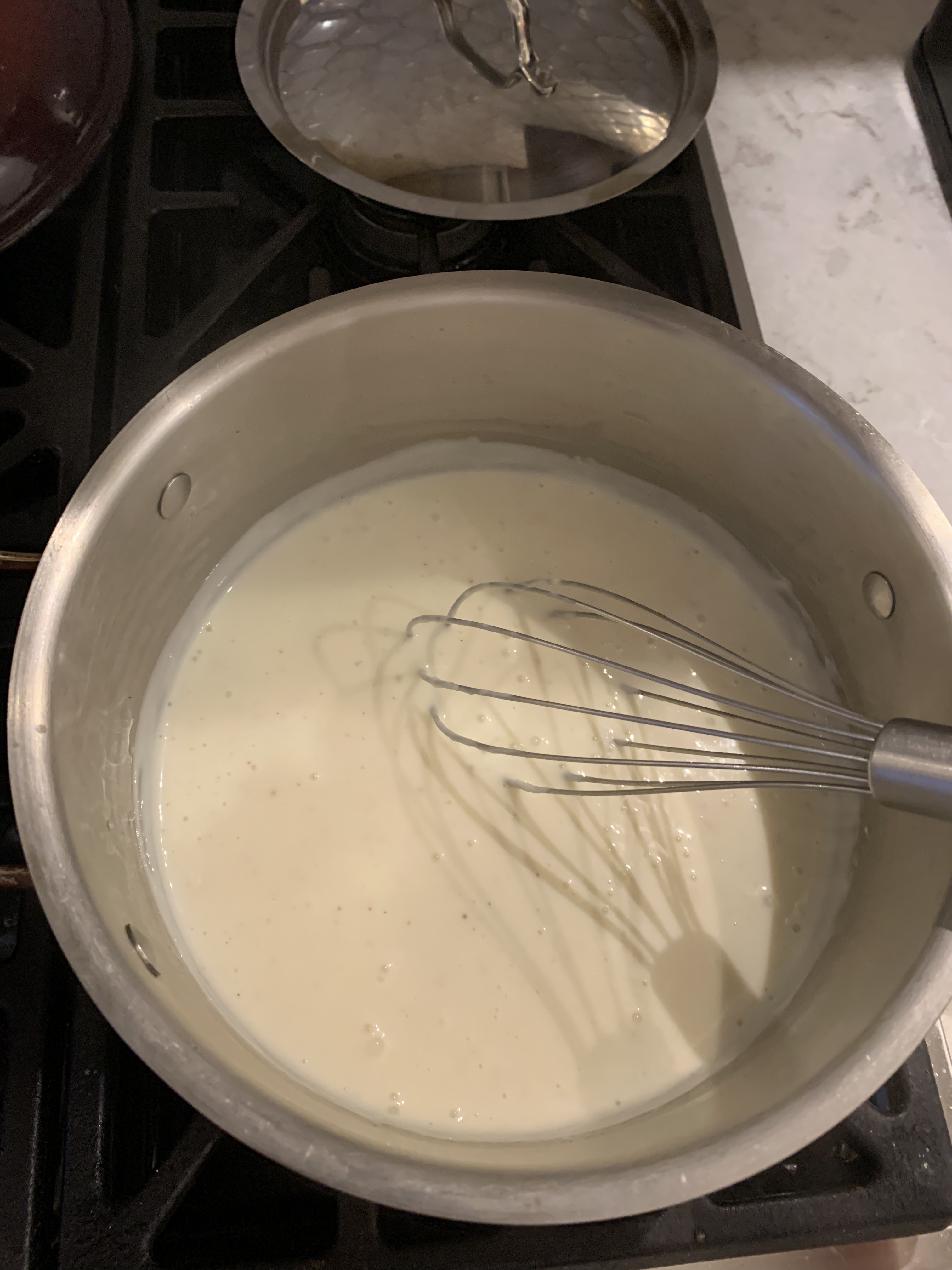
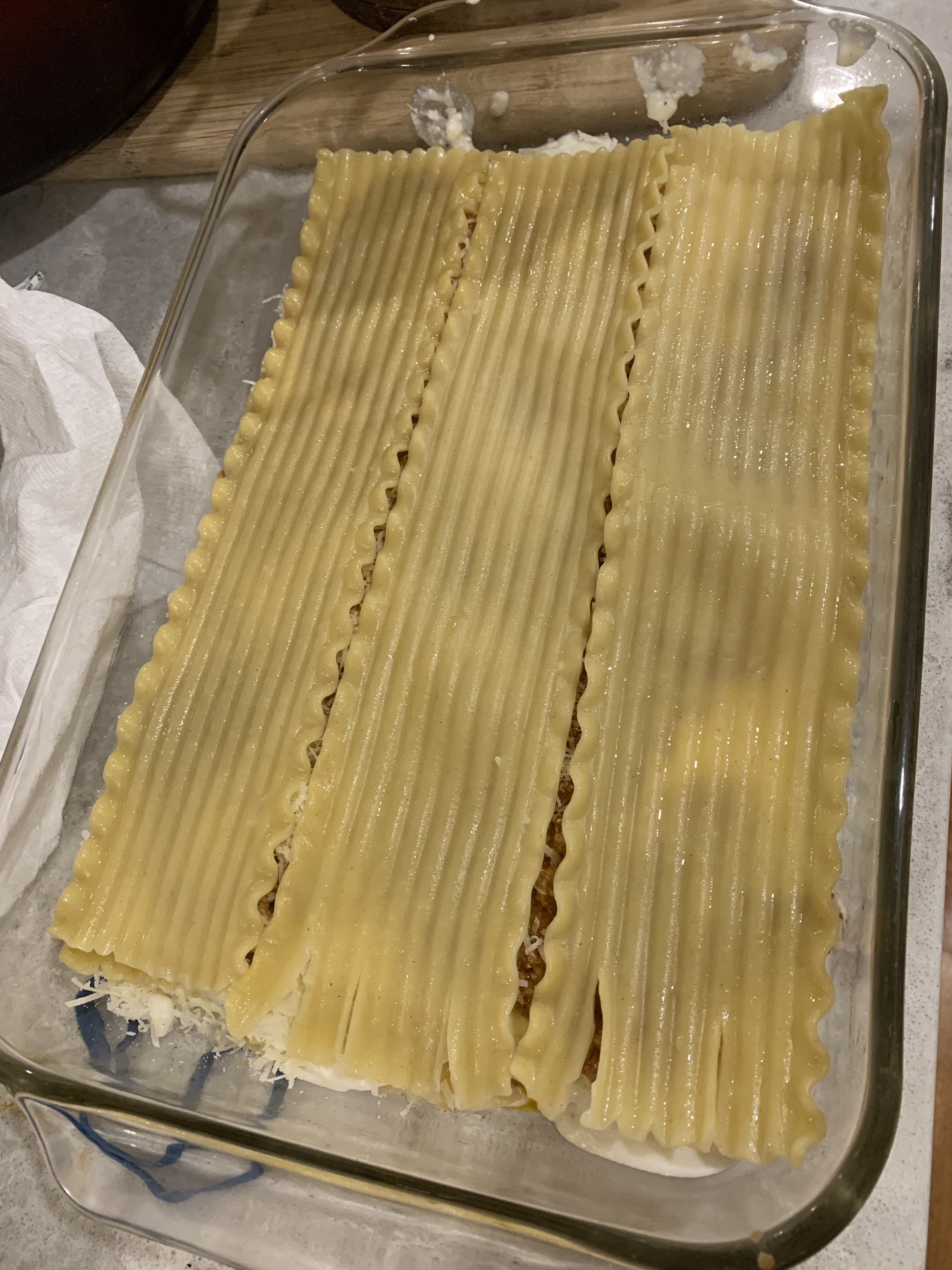
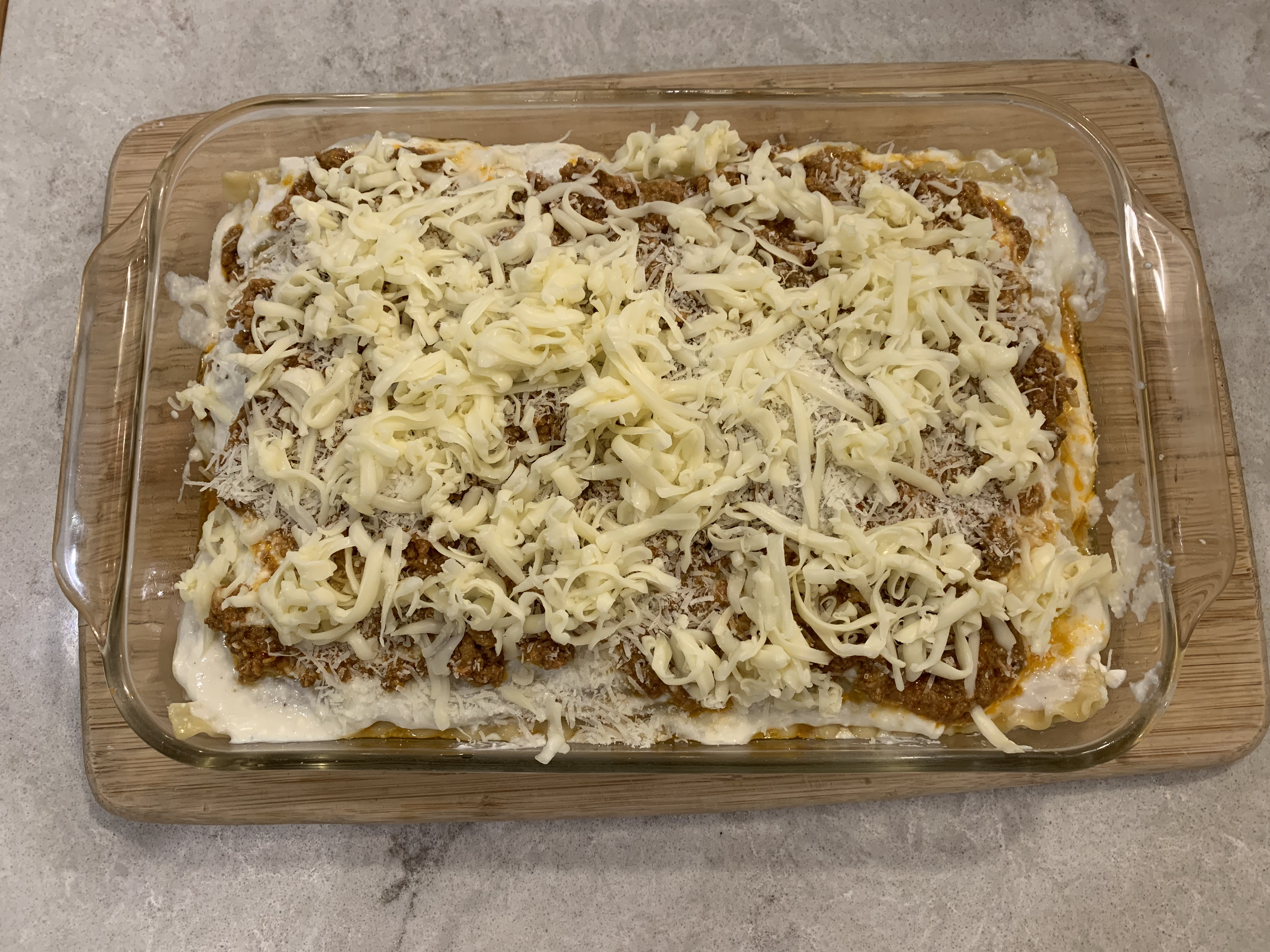
Making the lasagna involves cooking noodles to al dente and slicking them with oil, making a Bolognese sauce from ground beef, pork and pancetta, mirepoix (chopped onion, carrot and celery), tomato paste, milk and white wine, and making a ricotta-bechamel sauce. These ingredients are layered together with grated Parmigiano-Reggiano cheese, before the final layer is topped with mozzarella, and the whole thing is baked. After it rests for some time, all you need to do is garnish with parsley, and then guzzle to your heart’s content.
You could easily cook the noodles and/or meat sauce ahead of time, and allow both to come to room temperature when you go to make the lasagna. I don’t know that the bechamel would hold up as well if made ahead and refrigerated, since it could seize up and take on a Jello-like texture, requiring you to thin it down with more milk.
Naturally in the summer, no one wants a piping hot lasagna that has to cook in the oven for nearly an hour, never mind stand over the stove cooking down the sauce. Therefore, I waited until the fall/winter season to make it, and on the day I ultimately made the lasagna, the cooking process proved to be mildly therapeutic.
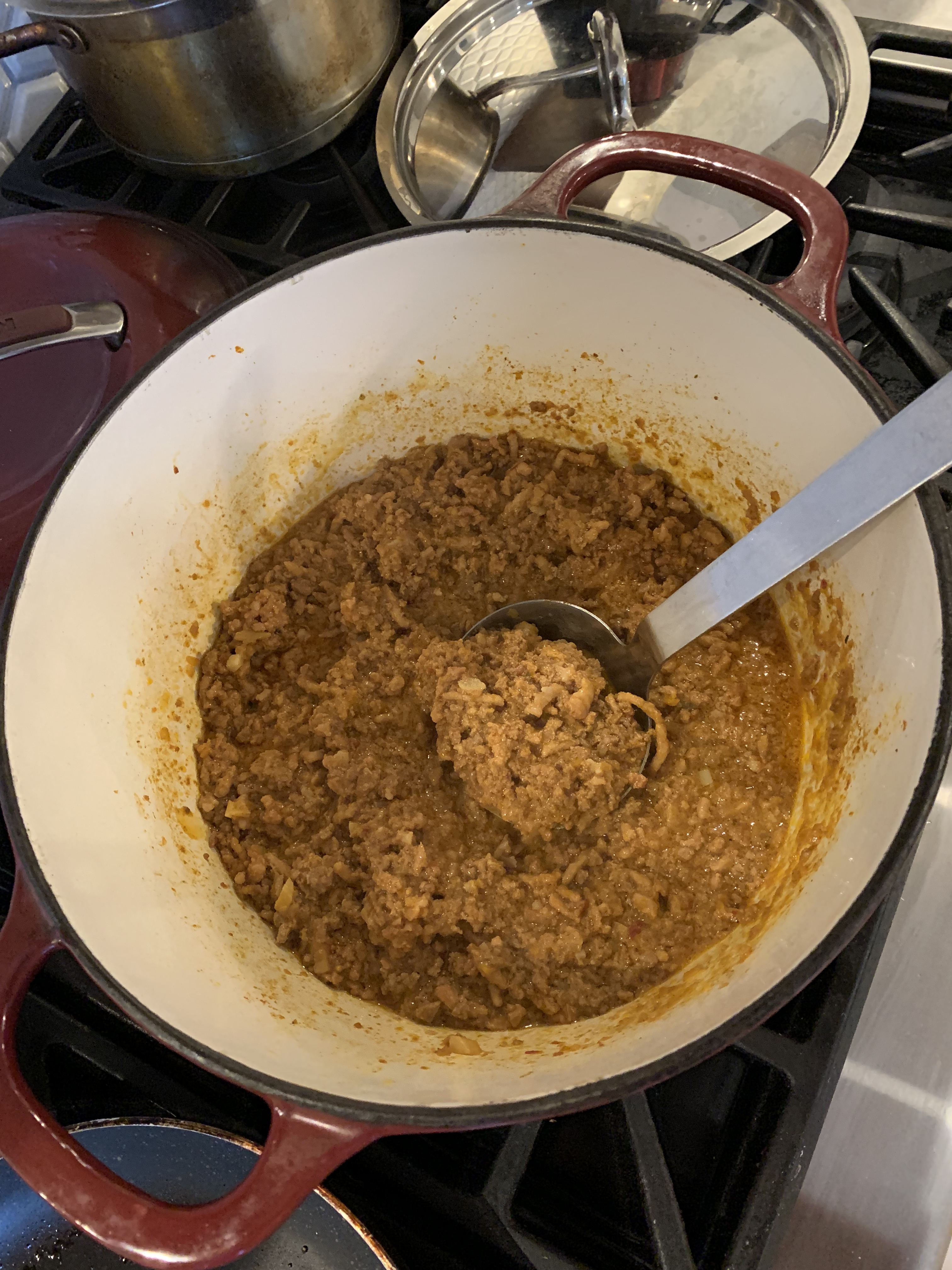
The longest part of this recipe is the Bolognese sauce. I’ve made many different recipes for Bolognese before. Some that take hours, some that are quick weeknight versions, and my favorite, a rich sauce made in the Crock Pot, so it actually involves very little effort from me. Patience is not one of my outstanding qualities, but it is necessary when making a sauce like this.
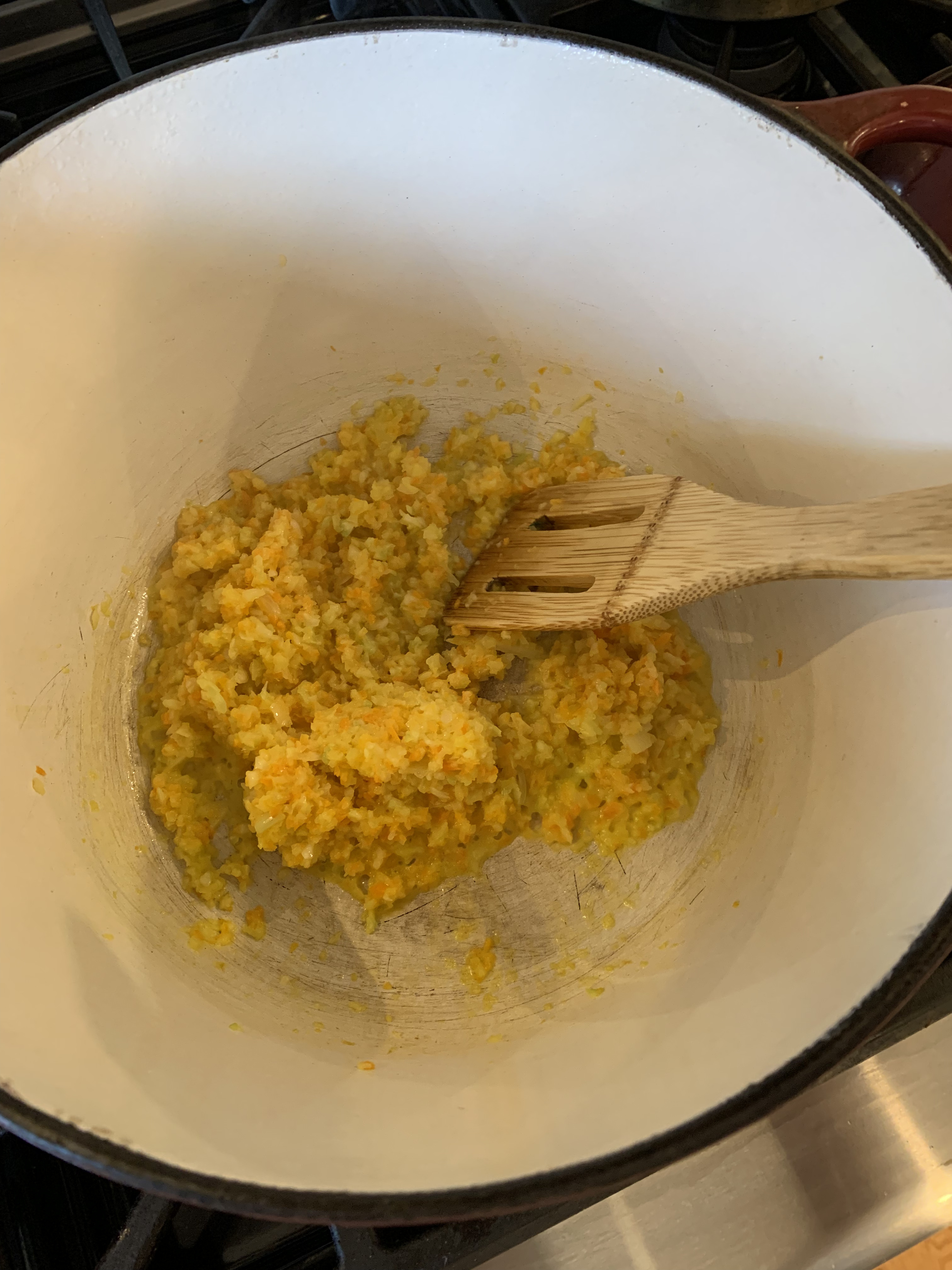
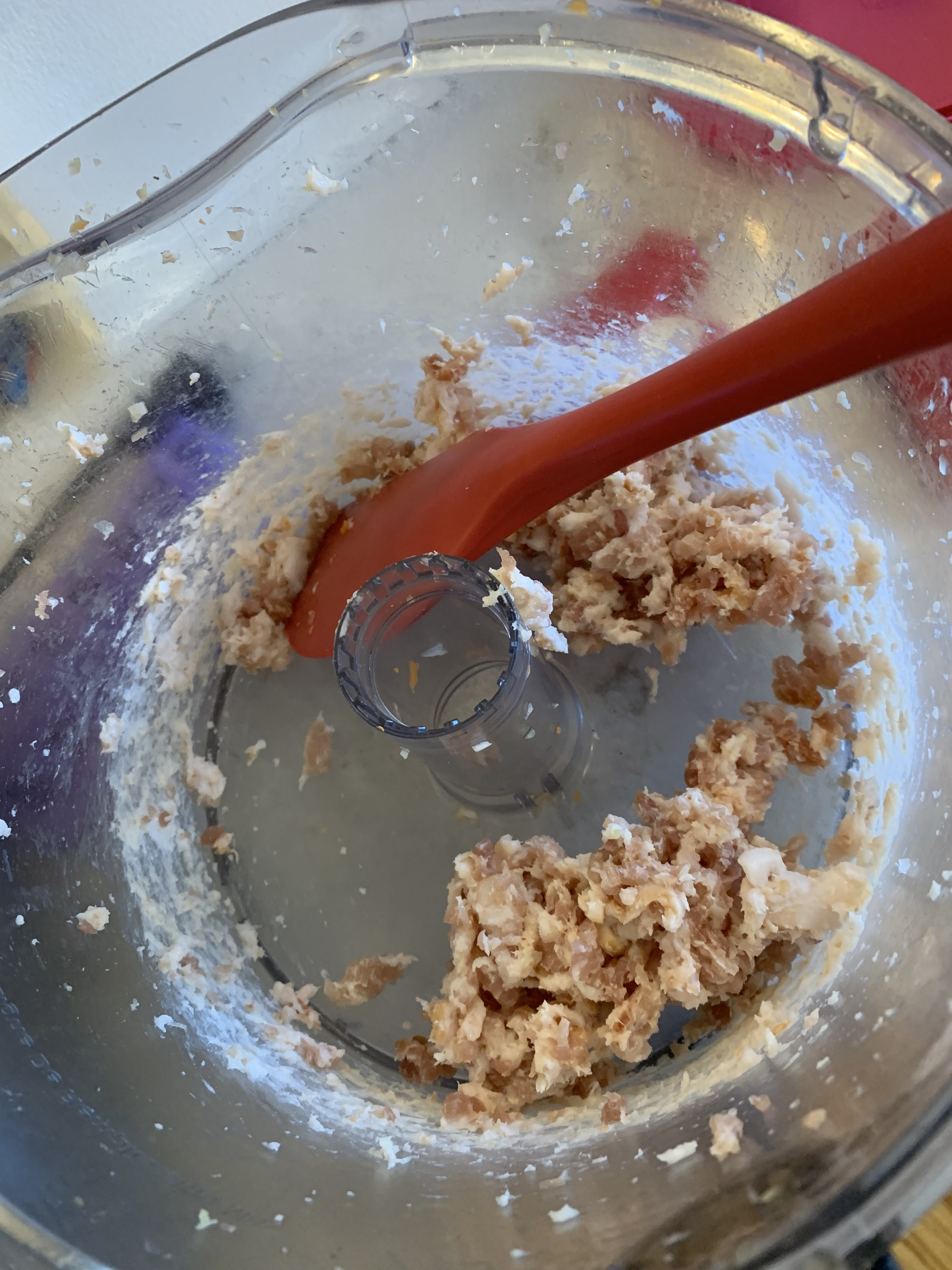
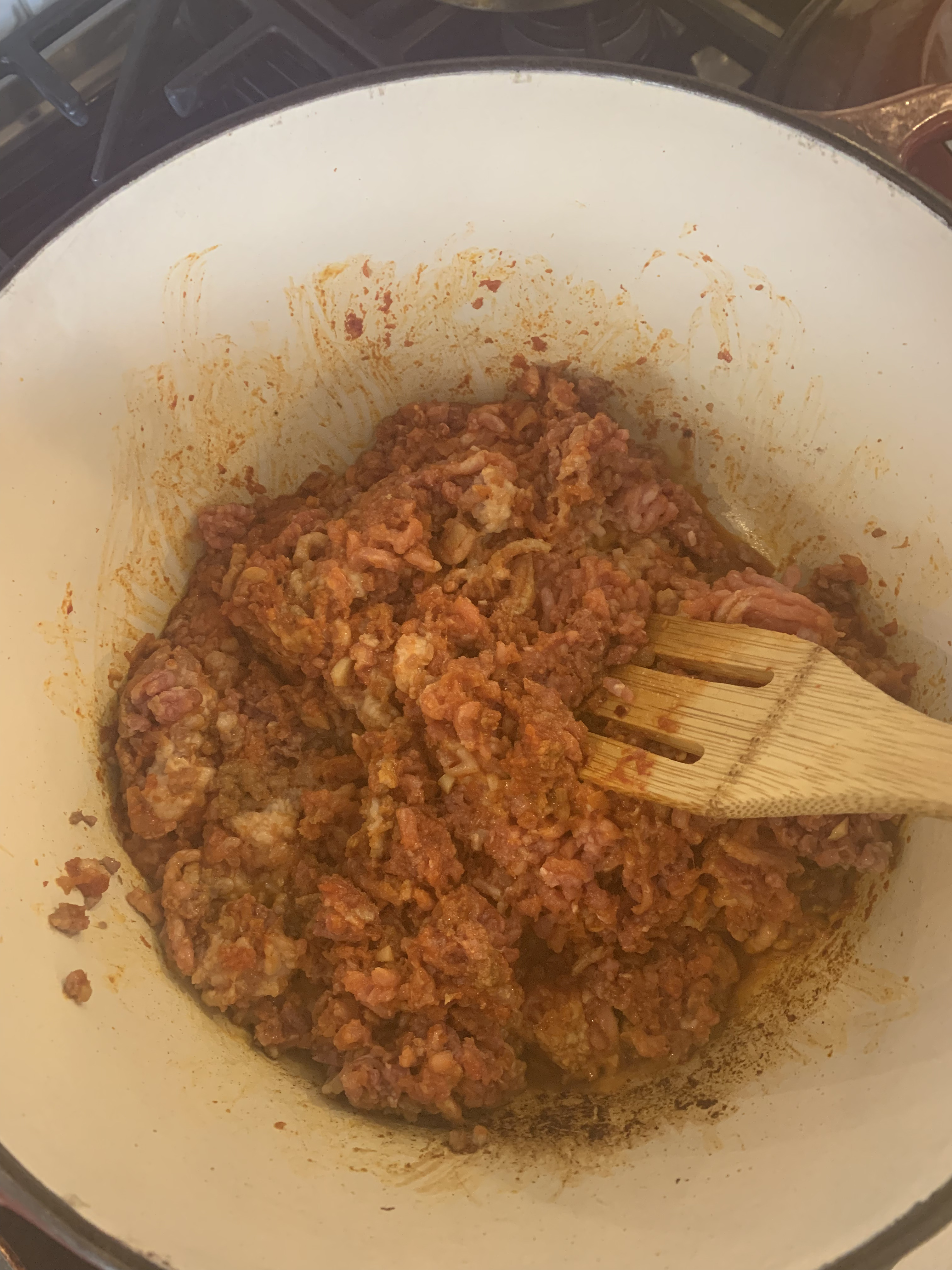
I started as the recipe intended, by browning the three types of meat. You’re supposed to use pancetta, but since I couldn’t find any at the store, I used three slices of bacon and ground it in a food processor to a paste. I also ground the mirepoix - the culinary term for the mixture of chopped onions, carrots and celery - in the same processor before so I wasn’t having to wash it for only a few pieces of bacon. This is a good way of doing it if you don’t like chunky vegetables in your sauce, but if you prefer to chop them small and into equal size, have at it, and I usually do.
Another complication presented itself: a gentleman I’d scheduled a networking call with needed to speak with me while the sauce was simmering. With 25 minutes left on its cooking time, I had a family member watch it while I went into my office to take the call. The sauce finished cooking during our discussion, and then I skimmed off as much fat as I could with a ladle, not being too worried. This is another benefit to making the sauce ahead of time and putting it in the fridge. The fat will solidify on top of the sauce and you can scrape/scoop it off, then discard it.
While the sauce simmered away, I cooked the noodles and slicked them with oil on multiple baking sheets, as instructed. I chose the noodles with a wavy texture, as I prefer all pasta I cook with to have grooves so the sauce gets caught in them and enhances the flavor of each noodle.
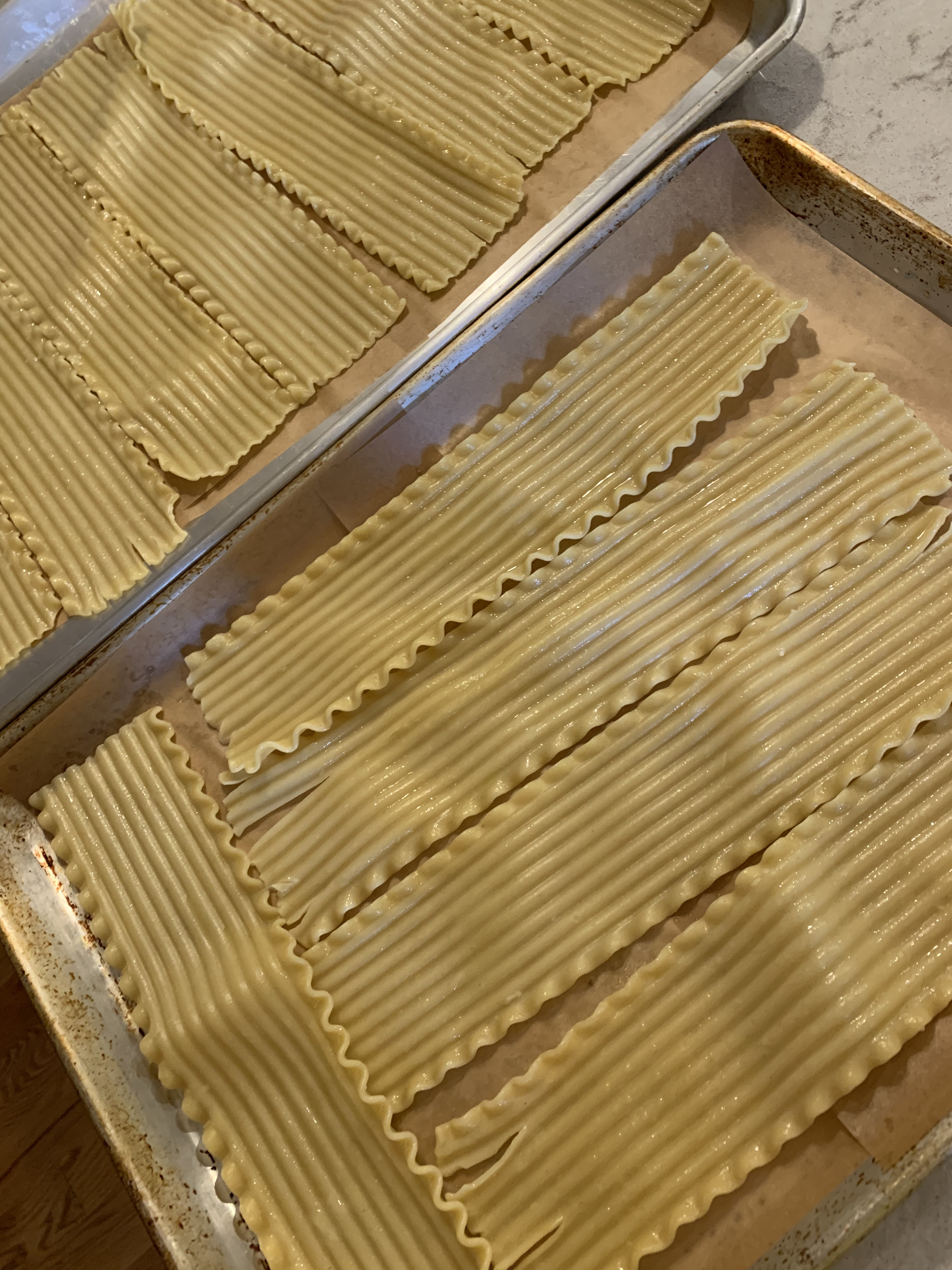
The lasagna recipe doesn’t mention this, but I will: if a recipe tells you to put oil in your pasta water, don’t! Supposedly this ensures the pasta won’t stick together during cooking. All this accomplishes is creating a film on the surface of your pasta that ensures whatever sauce you’re using will not absorb into it. Pasta, when added to hot water, will release its starch in the first few minutes of cooking, and that will ensure it doesn’t stick. Always salt your pasta water though, and do it heavily. All right, rant over. Back to lasagna.
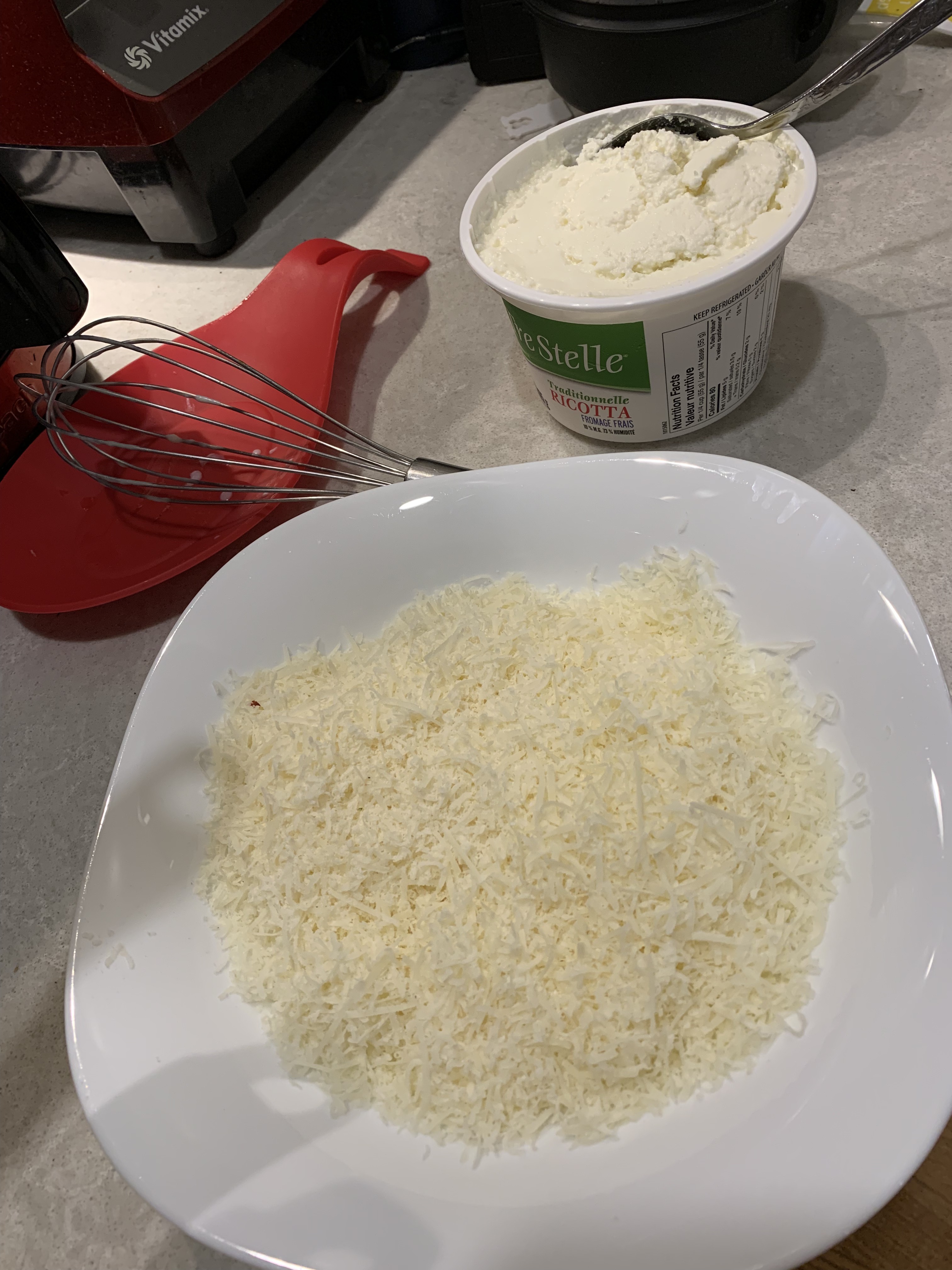
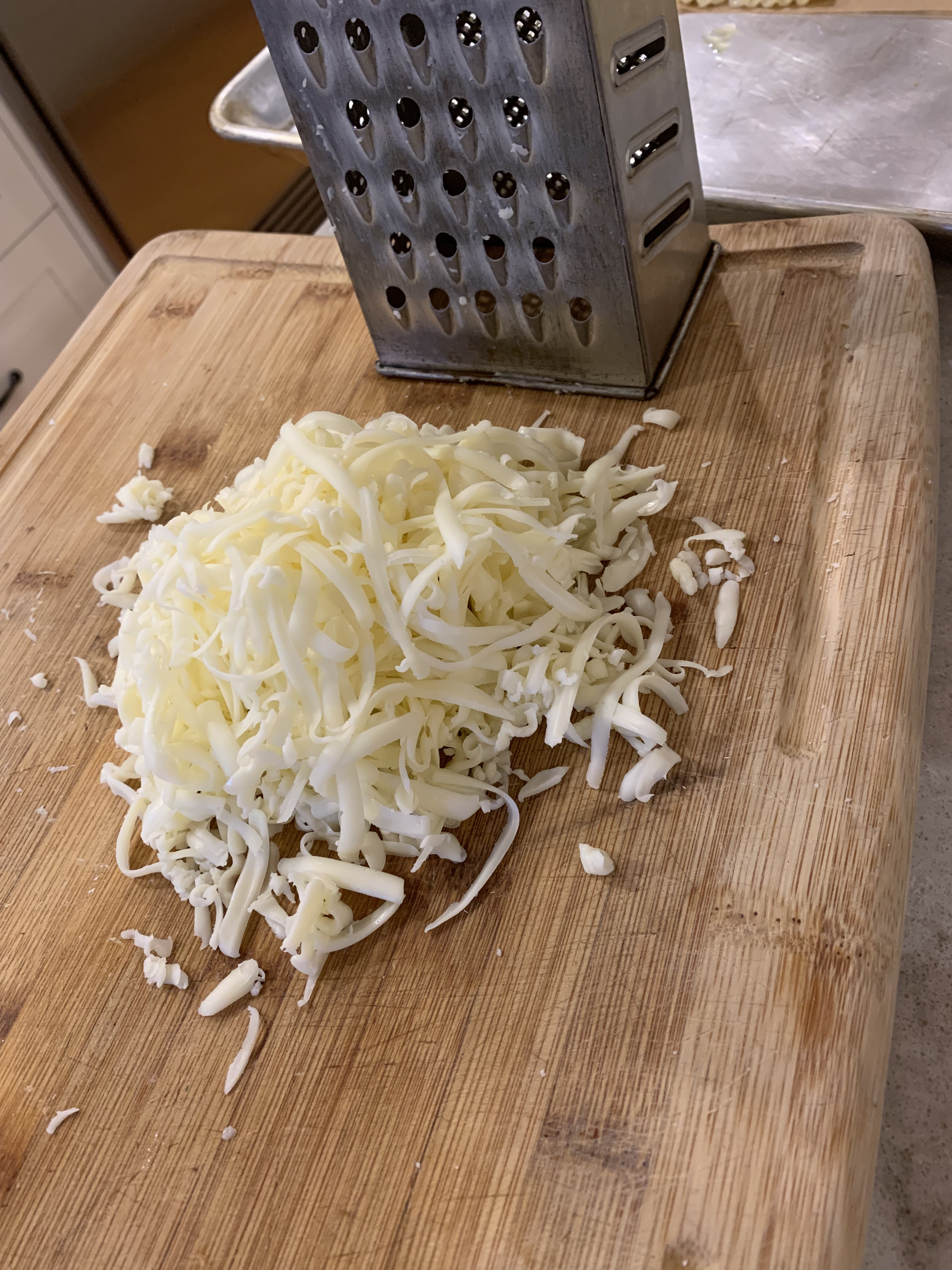
Something I’ve yet to try doing, and want to start, is making “blender parm”. This is where you chop your Parmigiano into little cubes and grind it in a blender. It’s a much more efficient way to finely grate a hard cheese like that as it takes forever otherwise. Thing is, you’ve got to have the right blender settings so that it grinds the cheese without overheating it and making it start to melt. Let me tell you, some of the hardest things to clean in the kitchen are blender/food processor blades. So I grated the cheese by hand. Always grate your own cheese, people. Pre-shredded cheese is coated in an anti-caking agent that stops it from melting smoothly, so I always grate it myself.
I said the day I made this proved to be cathartic. It was November 6, 2024, one day after Election Day. Though I'm not an American, I was deeply demoralized and troubled when a slim majority of Americans re-elected Donald Trump despite everything he is and all the damage he’s done to the country and the world. I could go on and on about how disastrously I feel his second term is going, but nothing I can say will ever get through to his supporters. Besides, I don’t want to expend much energy on him through this blog.
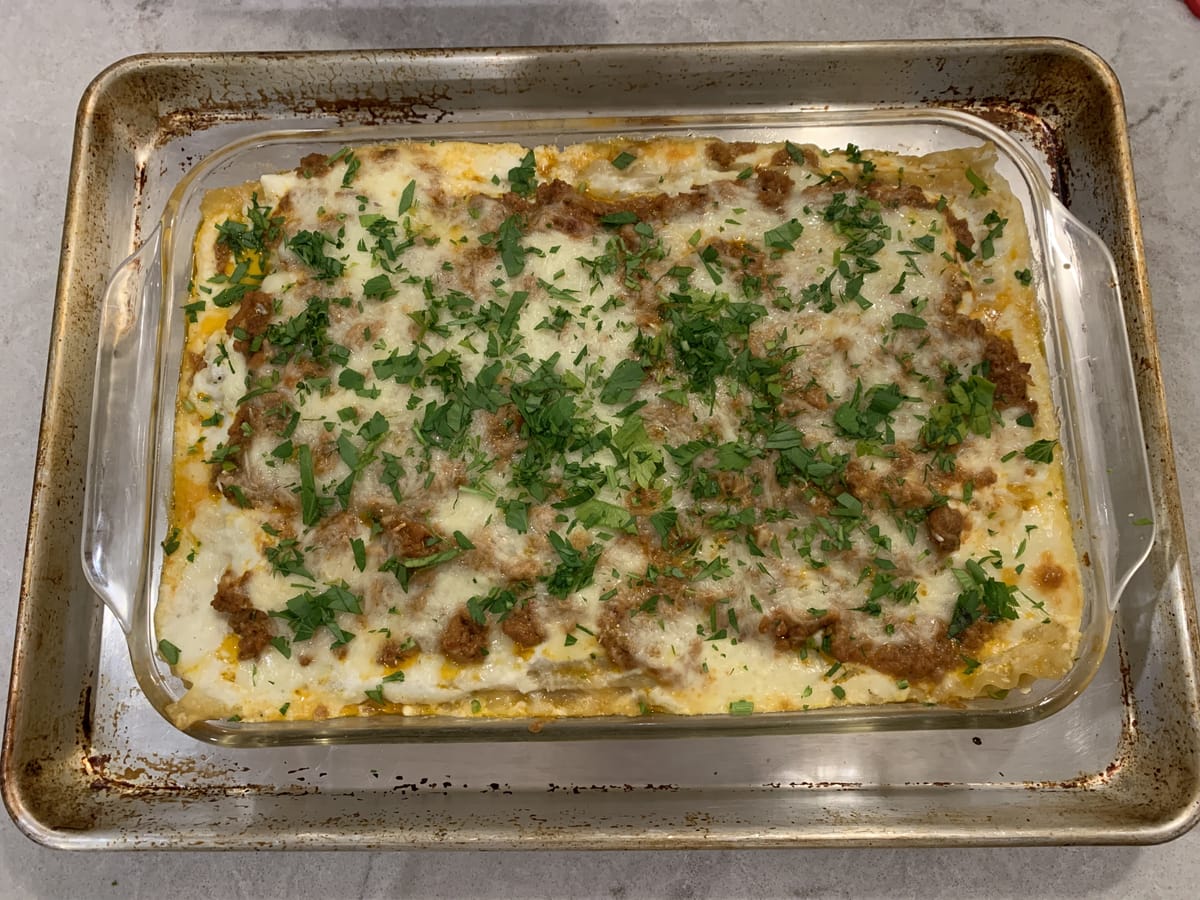
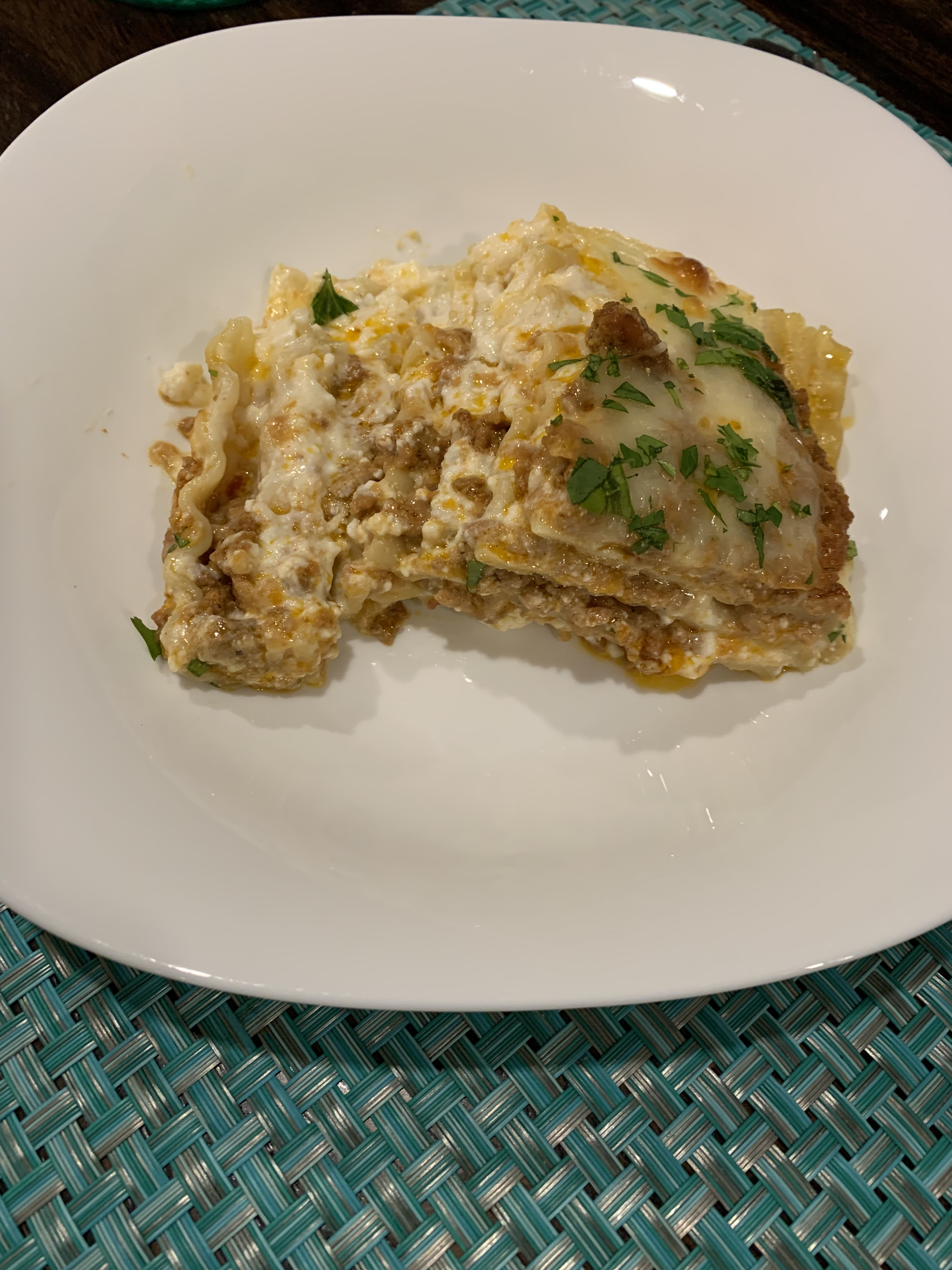
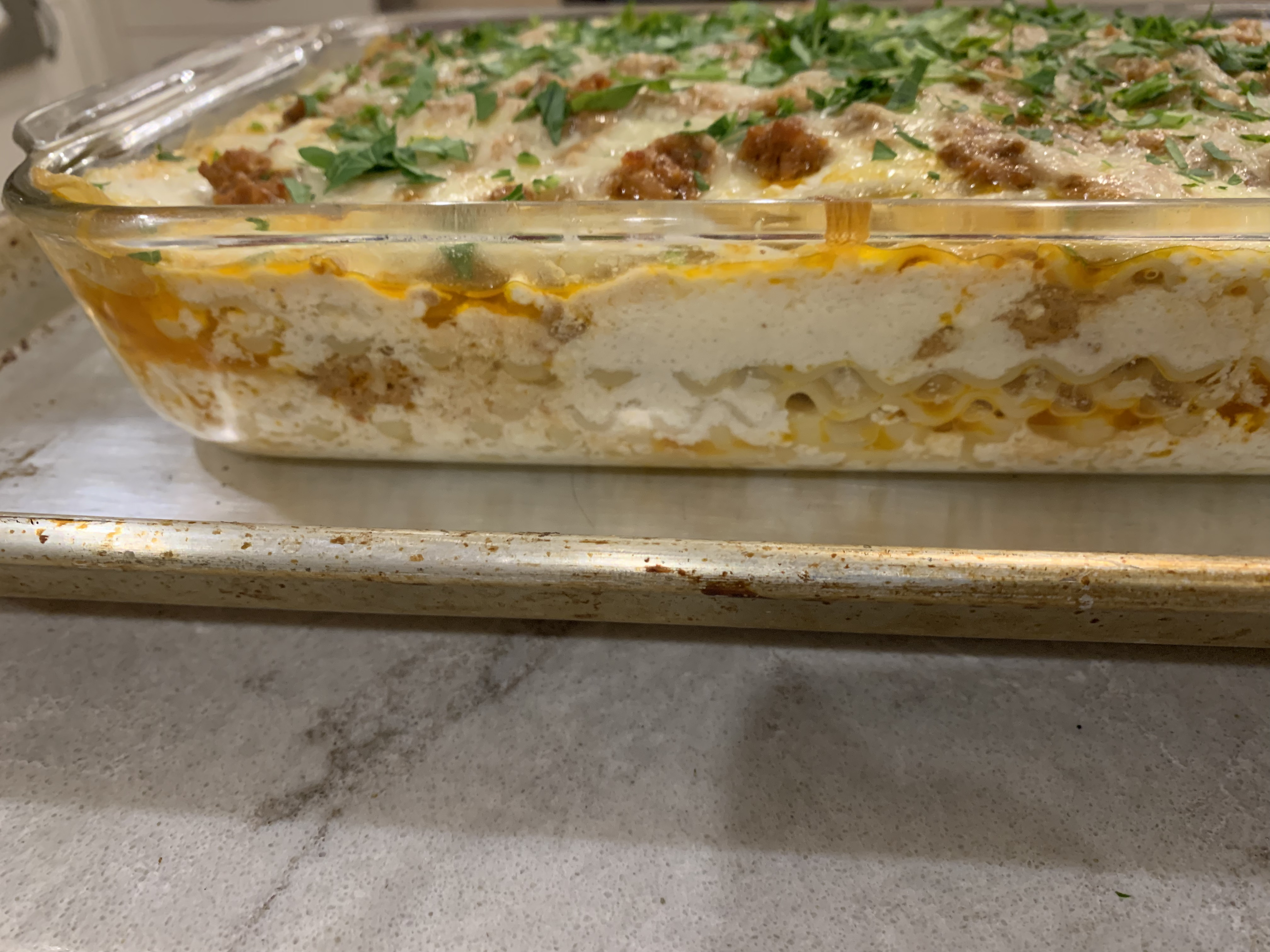
With my lasagna layered, it was baked and then left to rest, finally topped with parsley. To say it was delicious is an understatement. For Elizabeth to say it had the potential to be perfect is even more of an understatement. It is perfect.
At the beginning of the first episode of Lessons in Chemistry, Elizabeth informs her audience they will be making lasagna. The episode ends with her taking it out of the oven, only to discover it burned. The audience, and viewers nationwide are shocked. The producers mull whether to cut to commercial. Elizabeth gathers herself, and then turns it into a teaching moment, while holding back very obvious sorrow at the failure. I couldn’t help but think of her powerful words as I sat down to write this post. Elizabeth was talking about her burned lasagna, but she may as well have been addressing the aftermath of a presidential election 74 years in the future.
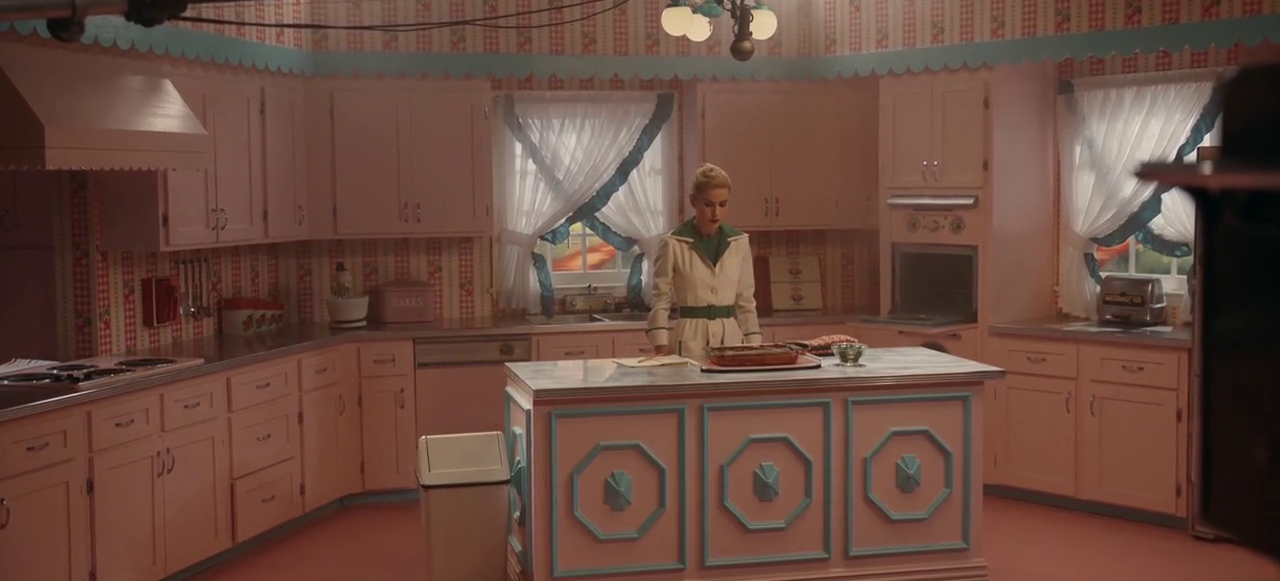
That was not the intended outcome.
In science, you endeavor to control every variable of your experiment.
The temperature in your lab, the number of contaminants, the correct calibration for each piece of equipment.
Sometimes you can't count on a formula.
Sometimes you can't control each variable.
Sometimes... many times... things just turn out messy.
Sometimes you will burn the lasagna.
Thankfully, I didn’t burn mine, otherwise I would have a much different story to tell. I know a lot of people out there are feeling defeated, agitated and without hope. I hear you. I hope my experiments with recipes, both adapted and original, can be a bit of an escape for you (even if temporarily) whenever you need it.
If you want to make this recipe yourself, you can get it on the official website here. You can also watch Brie Larson (Elizabeth Zott) and Lewis Pullman (Calvin Evans) make the lasagna with the recipe’s developer, Courtney McBroom, here.
Images from Lessons in Chemistry are the property of Apple TV+. All other photographs are the property of Ate Bit Culinarian.
Additional photos